How to Clean a Kettle?
A kettle is a kitchen essential, but over time, it can accumulate limescale and stains, especially in areas with hard water. Regular maintenance ensures your kettle remains efficient, hygienic, and in top working condition. Whether you're using an electric, glass, or stainless steel kettle, this guide will walk you through how to clean a kettle using simple household ingredients.
How Often Should You Clean Your Kettle?
The frequency of cleaning depends on how often you use your kettle. If you use it daily, aim to clean the kettle at least once a month to prevent limescale buildup. In areas with hard water, descaling every two weeks may be necessary.
How to Clean the Interior of a Kettle?
The inside of your kettle is prone to limescale buildup, which can affect its efficiency and the taste of your boiled water. While there is a range of products available to help clean the interior of a kettle, natural remedies and ingredients are just as effective, ensuring no harsh chemicals are consumed after the cleaning process. Here are a few simple methods.
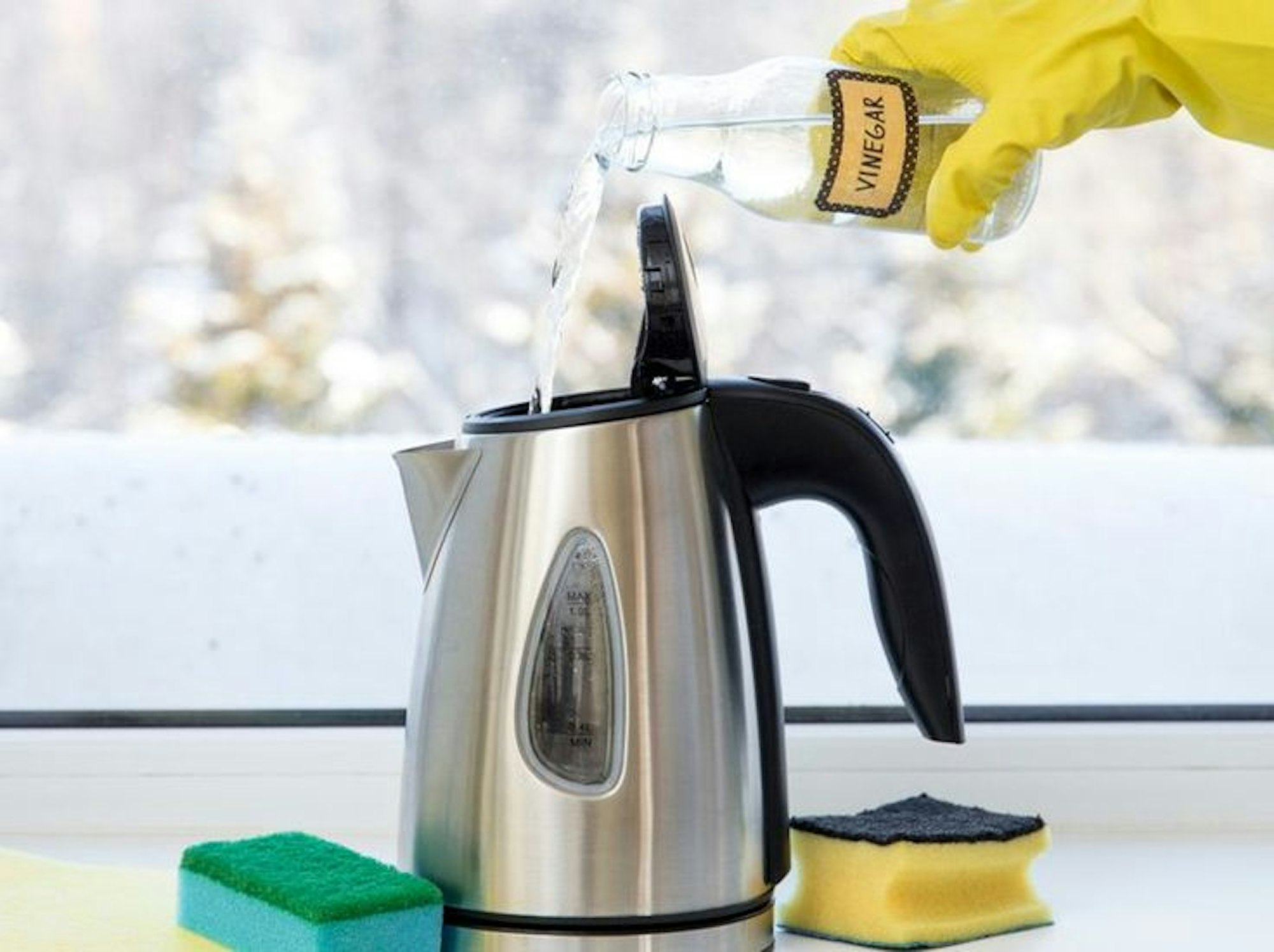
How to Clean a Kettle with Vinegar?
1. Mix three parts water to one part vinegar and pour it into the kettle. Ensure it reaches at least the minimum fill line.
2. Turn on the kettle and let it reach a full boil.
3. Let it sit overnight. This helps break down stubborn limescale deposits.
4. Drain and rinse the vinegar solution and refill the kettle with clean water.
5. To remove any lingering vinegar taste, boil fresh water twice, draining it each time.
How to Clean a Kettle with Lemon?
This method works well for letting your kettle soak overnight.
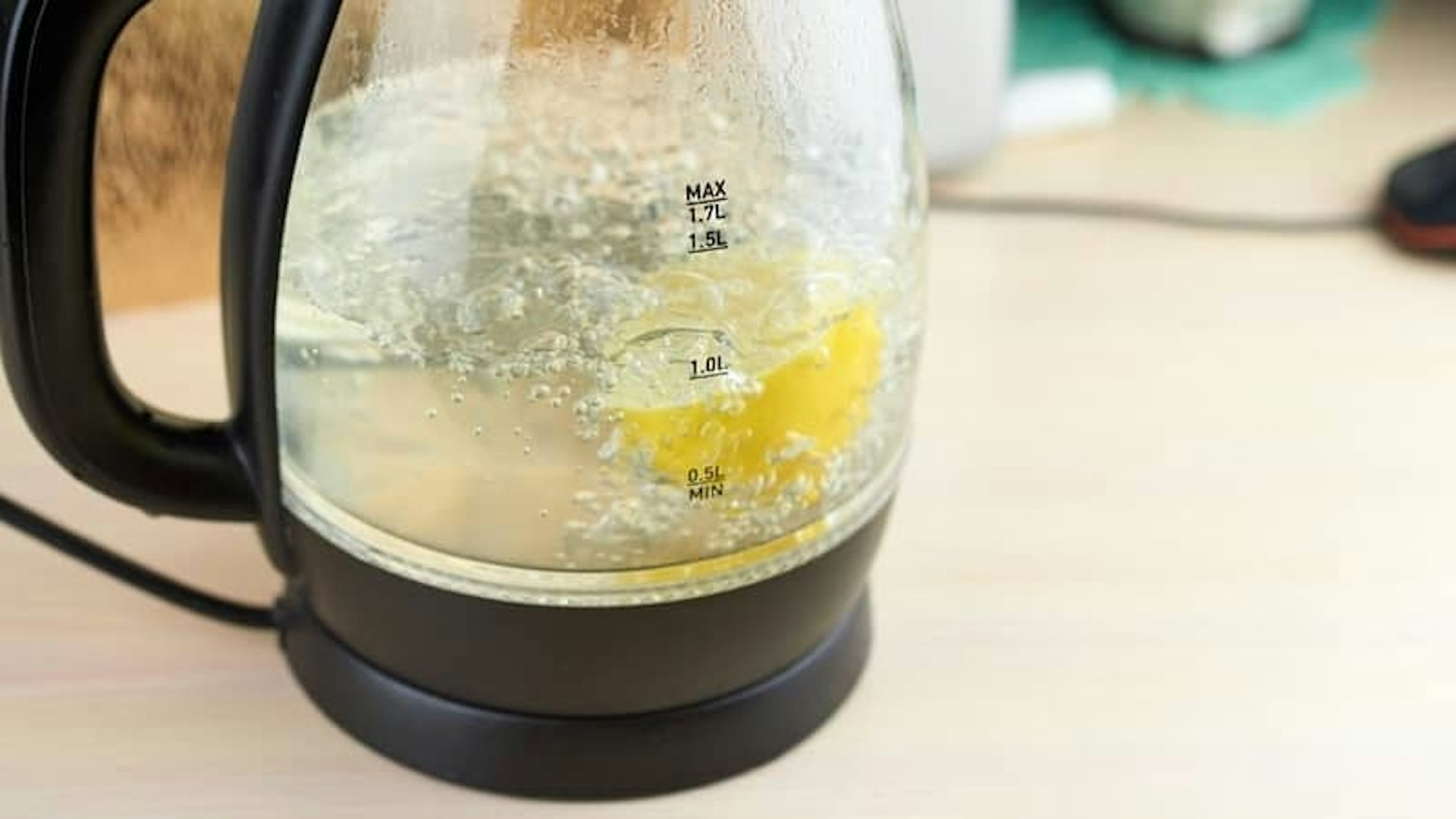
1. Add one tablespoon of lemon juice and enough water to cover the base. You can also cut a few old lemons in half, fill the kettle halfway, and add them in.
2. Boil the mixture, then let it sit for 15 minutes. For best results, allow the mixture to sit overnight.
3. Drain and rinse well before using the kettle again.
How to Clean a Kettle with Baking Soda?
Baking soda is another effective and eco-friendly way to clean the inside of your kettle:
1. Add 1-2 tablespoons of baking soda to water inside the kettle.
2. Boil the mixture and let it sit for 10 minutes.
3. Drain and rinse thoroughly to remove any residue.
What Are Hard Water Stains in a Kettle?
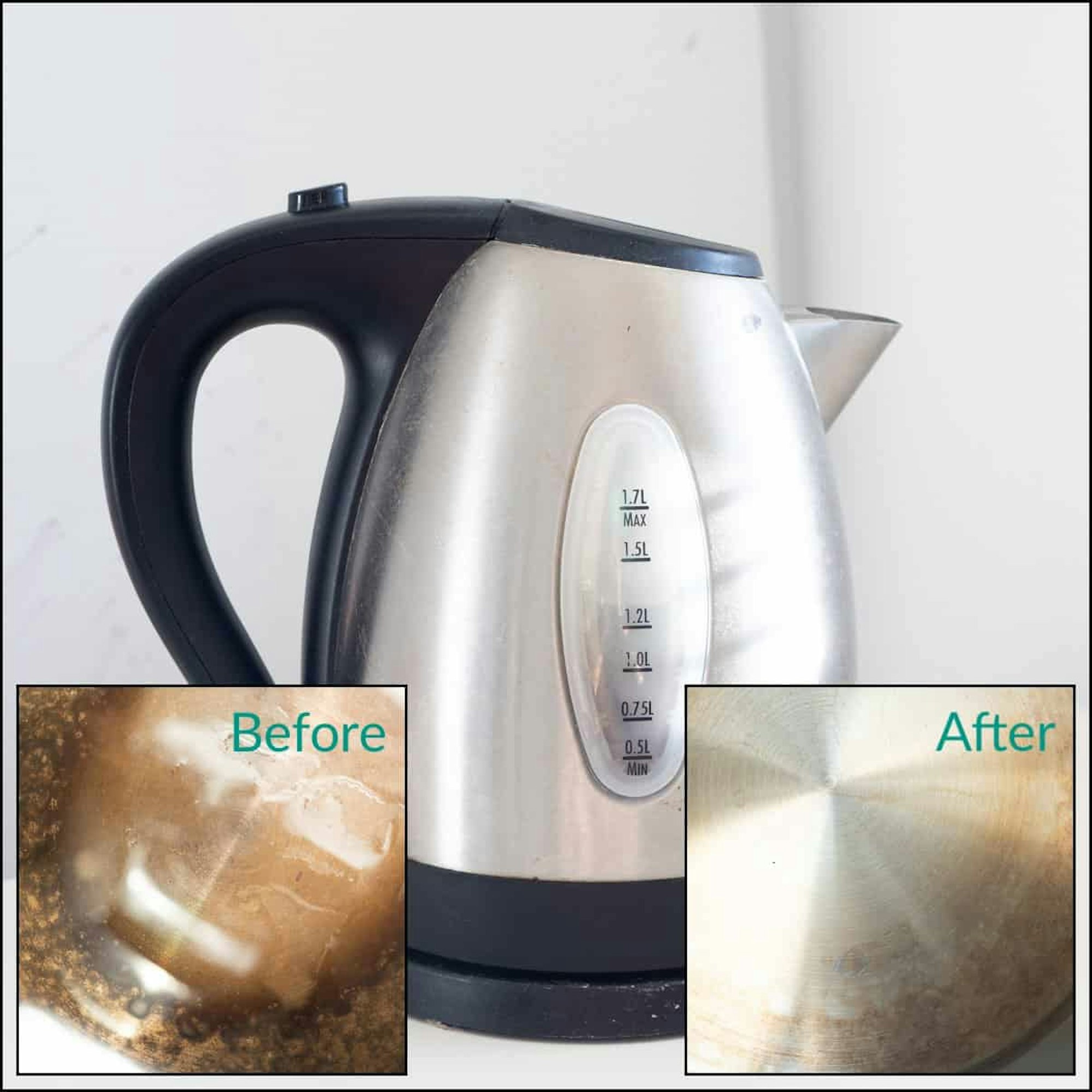
Hard water stains, also known as limescale, are white or chalky mineral deposits that form inside your kettle over time thanks to high levels of calcium and magnesium evaporating, leaving behind residue.
While not harmful, limescale can affect the efficiency of your kettle, causing it to heat more slowly and impacting the taste of boiled water.
How to Clean Hard Water Stains from a Kettle?
If your kettle has hard water stains, a combination of vinegar and baking soda can help break them down:
● Fill the kettle halfway with vinegar and water.
● Boil and let sit for an hour before scrubbing with a soft sponge. For best results, leave for a few hours or overnight.
● Rinse thoroughly and boil fresh water to remove any lingering odours.
How to Clean the Exterior of a Kettle?
While maintaining the inside of a kettle is important for keeping your hot water clean and fresh, the outside of a kettle can still attract water marks and stains from your kitchen environment. Check out our methods for cleaning different types of kettles below:
How to Clean the Exterior of an Electric Kettle?
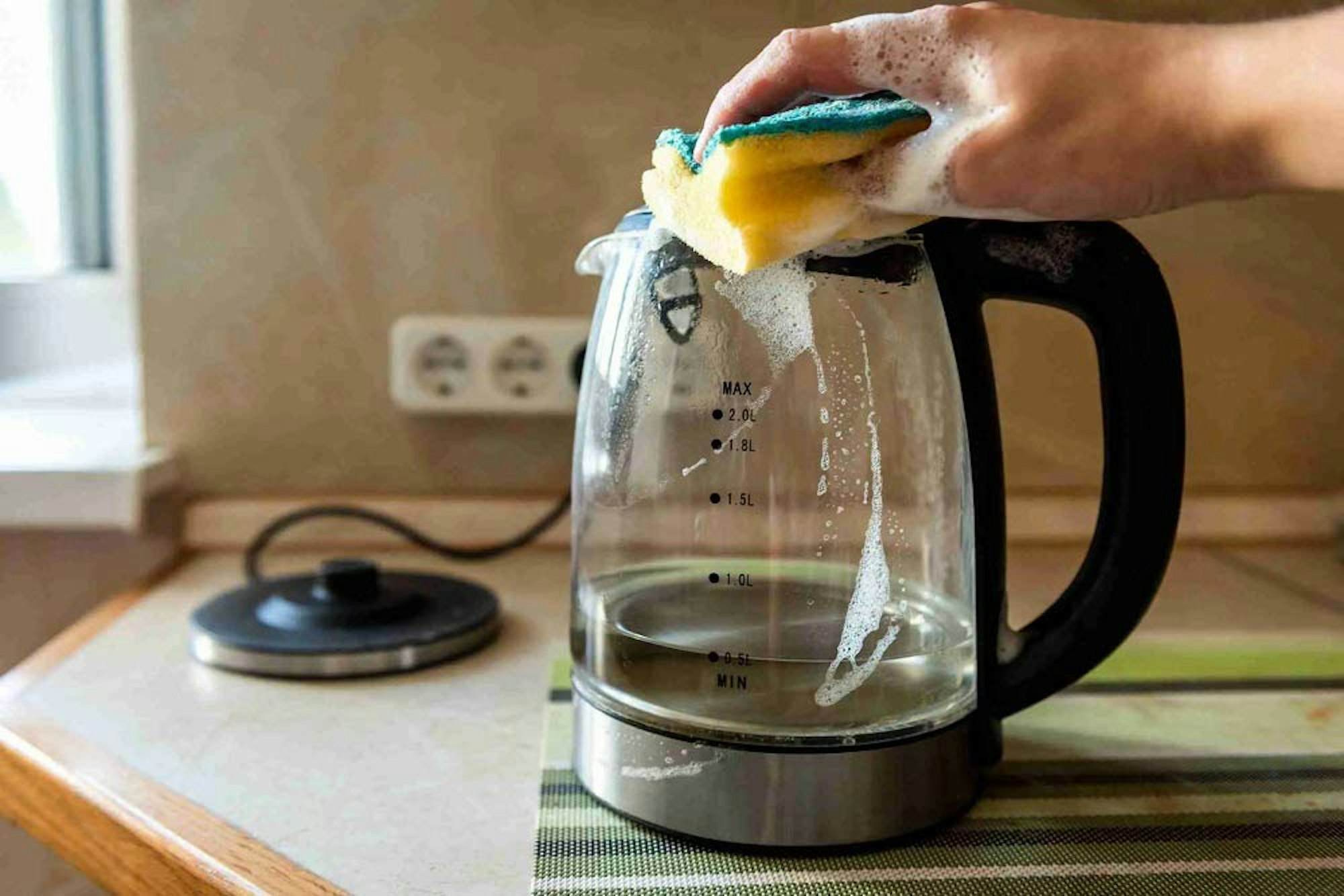
Keeping the outside of your kettle clean ensures it looks great and stays free of grime:
1. Unplug the kettle: Always turn off and unplug your kettle before cleaning.
2. Wipe with a damp cloth: Use a soft cloth with warm, soapy water to clean the exterior.
3. Avoid harsh scrubbers: If your kettle is made of stainless steel or glass, avoid abrasive sponges that could scratch the surface.
4. Dry immediately: Use a clean towel to dry the kettle and prevent water spots.
How to Clean a Glass Kettle?
Glass kettles can show watermarks and stains more easily, so regular cleaning is key:
● Use a vinegar or lemon solution to break down mineral deposits.
● Wipe down the exterior with a microfibre cloth to prevent streaks.
● For stubborn stains, apply a paste of baking soda and water, scrub gently, and rinse.
When Should You Replace Your Kettle?
Even with regular cleaning, kettles don’t last forever. Consider replacing your kettle if:
● It takes longer to boil water, indicating inefficient heating.
● There is persistent limescale buildup that won’t clean off.
● The heating element is damaged or malfunctioning.
● There are visible rust spots or internal corrosion.
● It leaks water or has a damaged lid.
● The automatic shut-off feature stops working, posing a safety risk.
● Plastic components show signs of warping or melting.
● You notice an unusual taste in your boiled water despite regular cleaning.
Discover the full selection of kitchen kettles online at House, and transform your tea and coffee routine now.
Back to blog