Slow Cooker vs Pressure Cooker vs Multicooker: Which One Do You Actually Need?
The slow cooker vs pressure cooker debate doesn’t have one clear winner. The better question is which appliance fits how you actually cook. Do you plan dinner in the morning, need to get it on the table fast, or want one appliance that can handle both?
It's easy to lose track of which appliance does what, especially since brand names are getting thrown around interchangeably. A slow cooker, a pressure cooker and a multicooker are three different appliances, not the same product wearing three names. Crock-Pot is a brand of slow cooker, although the name is often applied more broadly to the whole category. Instant Pot is a brand of multicooker, and plenty of its models combine pressure cooking, slow cooking and other functions in one unit.
From here, we’ll break down the differences between slow cookers, pressure cookers and multicookers, compare cooking time and effort, and help you work out whether you need one appliance or two.
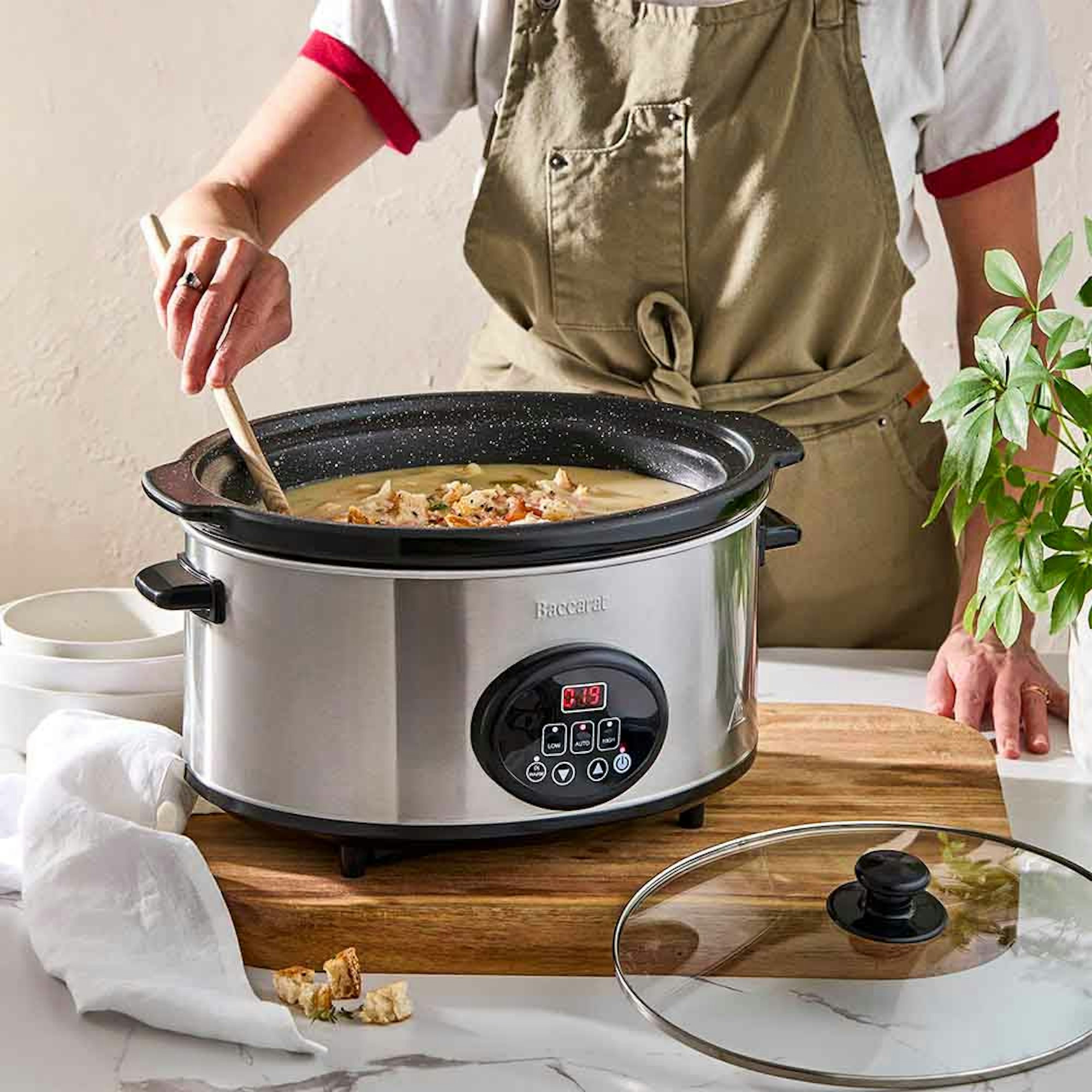
TABLE OF CONTENTS
- At a Glance — Which One Do You Need?
- How a Slow Cooker Works
- How a Pressure Cooker Works (Stovetop and Electric)
- How a Multicooker Works
- Full Comparison: Slow Cooker vs Pressure Cooker vs Multicooker
- Do You Need More Than One?
- Which Should You Buy? Quick Decision Guide
- Frequently Asked Questions
At a Glance: Which One Do You Need?
Choose a slow cooker if you’re happy to plan ahead, a pressure cooker if speed matters most, or a multicooker if you want both options in one appliance.
- Slow cooker: best for plan-ahead meals like stews, curries, pulled meats and legumes. Typical cook time is hours, low and slow.
- Skill level: beginner.
- Price range: roughly $65–200.
- Pressure cooker: best for fast, last-minute dinners. Typical cook time is in minutes.
- Skill level: beginner to intermediate.
- Price range: roughly $110–180 (stovetop).
- Multicooker: best for households wanting several cooking functions in one appliance. Typical cook time ranges from minutes to hours, depending on the mode used.
- Skill level: beginner, once the functions are learned.
- Price range: roughly $140–340 (electric, multi-function).
How a Slow Cooker Works
A slow cooker uses low, steady heat to cook food over several hours, typically around 6–10 hours on a low setting. It’s best suited to meals you can prepare ahead, such as stews, curries, pulled meats and legumes, rather than dinners you need on the table quickly.
Because the cooking happens gradually, you do most of the work before you switch it on. Once the ingredients are in, you can generally leave the appliance without stirring or adjusting the temperature. That makes it particularly useful for batch cooking or getting dinner started before work and leaving it to cook through the day.
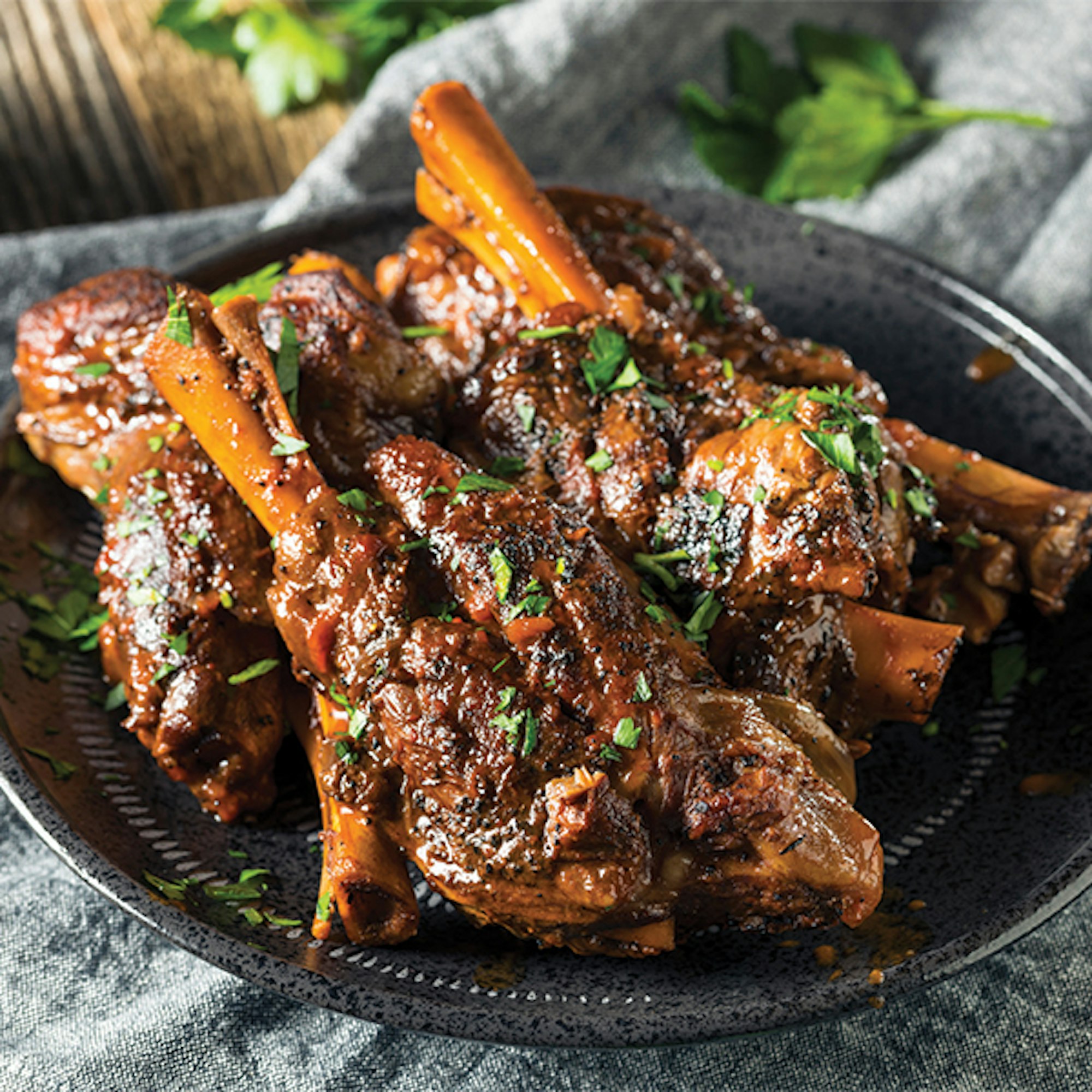
For context, CHOICE puts lamb shanks at roughly seven hours in a slow cooker, compared with around 45 minutes under pressure.
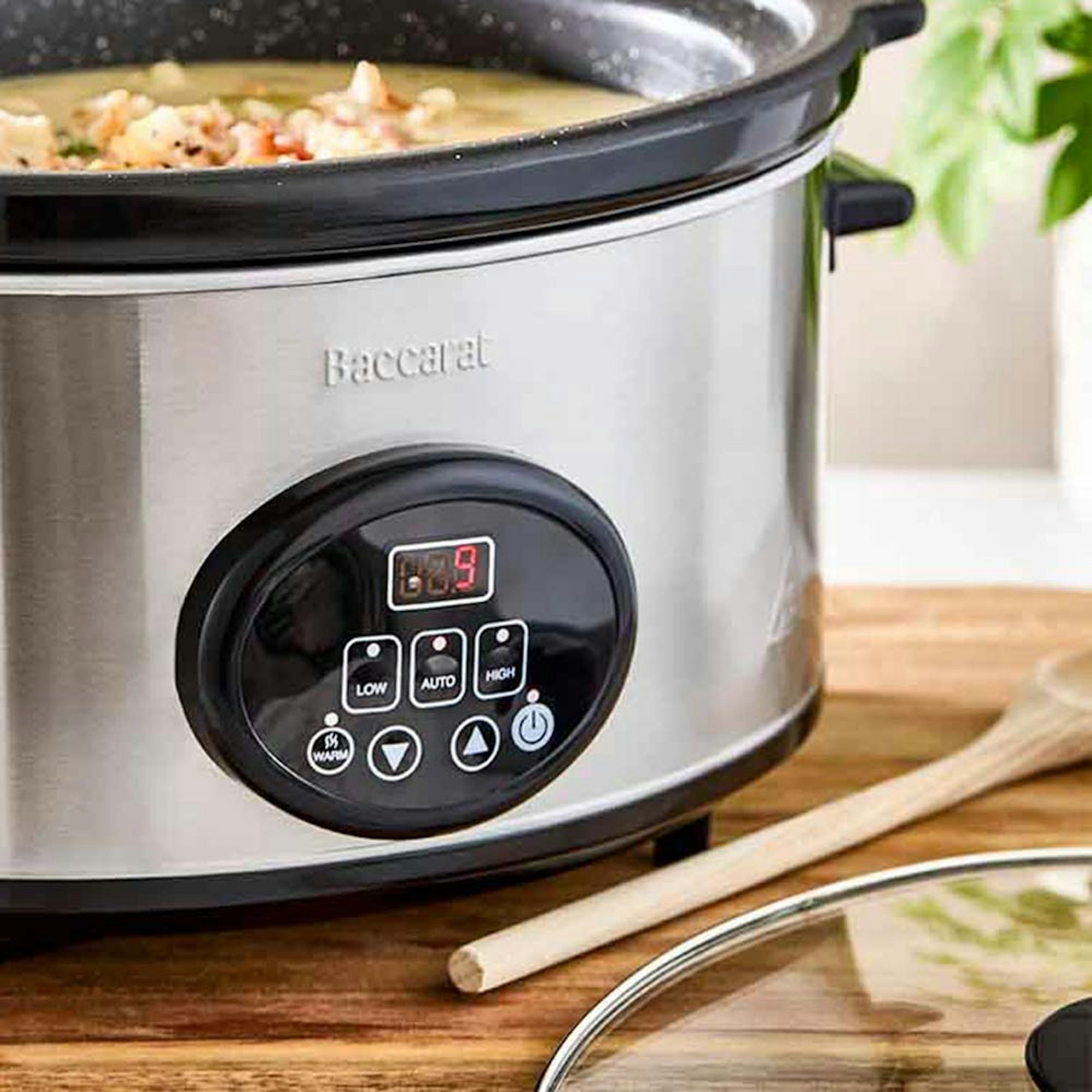
House’s slow cooker range runs from the budget-friendly Healthy Choice to the ceramic Baccarat GREEN STONE and Tefal rice and slow cooker options. For individual model recommendations, see our Guide to the Best Slow Cookers in Australia.
How a Pressure Cooker Works (Stovetop and Electric)
A pressure cooker traps steam inside a sealed pot, increasing the pressure and raising the boiling point of water so food cooks much faster. The difference can be substantial: CHOICE puts lamb shanks at roughly 45 minutes under pressure, compared with around seven hours in a slow cooker.
There are two types to know about. A stovetop pressure cooker sits directly on your cooktop and requires you to manage the heat manually. House’s stovetop pressure cooker range includes options from $110–180. Electric pressure cooking, on the other hand, is built into many multicookers, including Instant Pot models, which regulate pressure electronically and offer other cooking modes.
That difference matters if you’re new to pressure cooking. With a stovetop model, you control the heat needed to reach and maintain pressure. An electric model manages that process for you, although you’ll still need to follow the correct pressure-release method for the recipe.
A pressure cooker is worth it if getting slow-cooked-style meals on the table faster matters most to you. There is a trade-off, though. CHOICE kitchen expert Fiona Mair notes that slow cooking allows flavours to “really develop”, while faster pressure cooking may not produce the same depth of flavour.
How a Multicooker Works
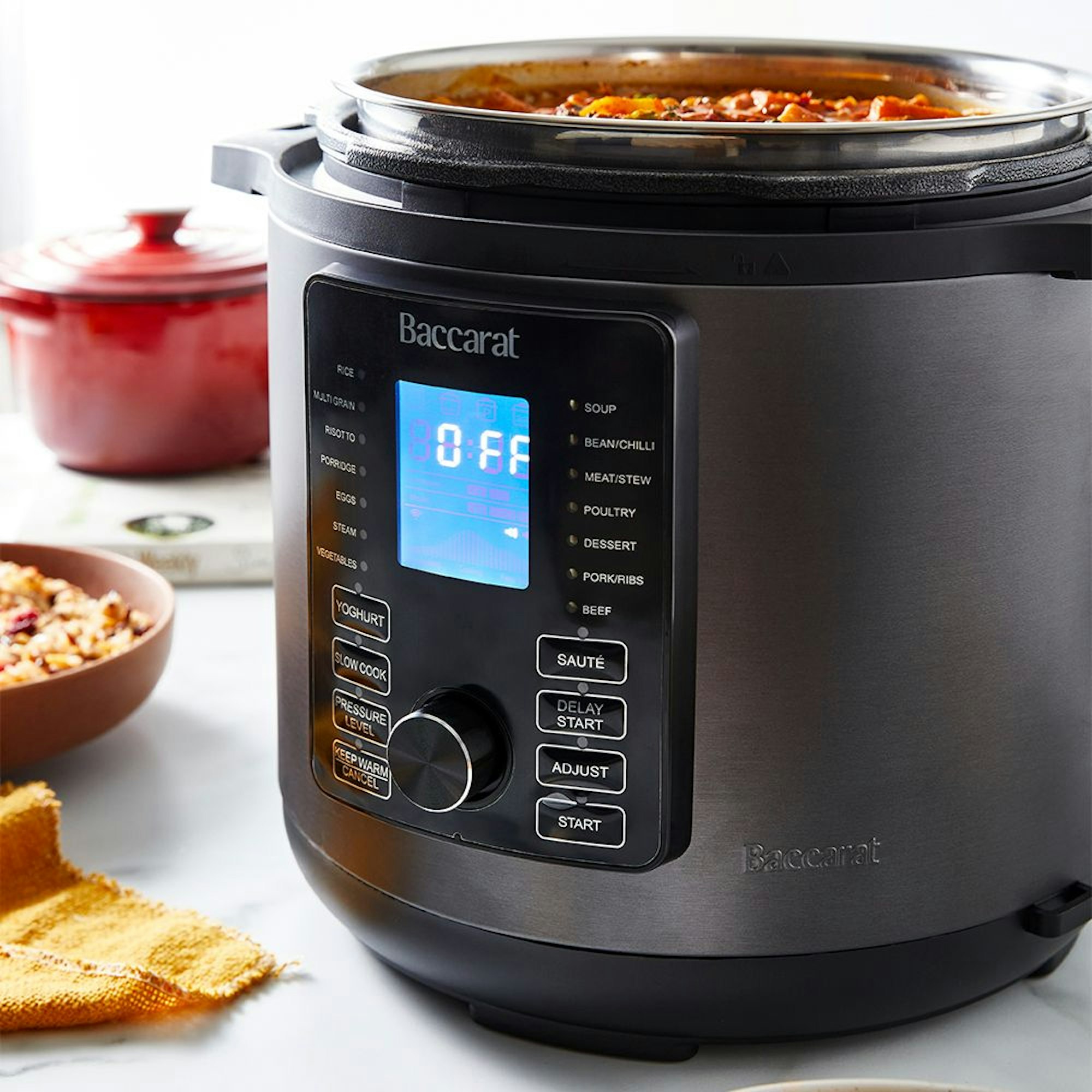
A multicooker combines several cooking methods in one electric appliance, making it a practical choice if you want pressure and slow cooking without buying separate appliances. Depending on the model, functions can also include sautéing, steaming, rice cooking, yoghurt making and air frying.
The time difference can be significant. CHOICE puts corned beef at roughly one hour using a multicooker’s pressure function, compared with around eight hours in a slow cooker and five hours in an oven.
House’s multicooker and pressure cooker range includes Instant Pot, Baccarat, Cuisinart and MasterPro models. The Instant Pot Duo Crisp, for example, can pressure cook, slow cook and steam, among its other functions.
More functions aren’t automatically better, though. If you regularly pressure cook, slow cook and make rice, having those options in one unit can save cupboard space. If you only use one cooking method, you may be better off with a simpler appliance than paying for settings you rarely use.
Full Comparison: Slow Cooker vs Pressure Cooker vs Multicooker
Speed may get the glory, but it’s not the only thing that changes between these three. One rewards a little forward planning, another can save dinner when you’ve left it late, and a multicooker sits somewhere in the middle. Effort, flavour and price all shift too, so let’s see how they really compare.
Slow cooker
- Cook time (lamb shanks, per CHOICE): roughly seven hours
- Hands-on effort: lowest, set and leave
- Flavour development: deepest, per CHOICE testing
- Functions: slow cooking only
- Price range: roughly $65–200
Pressure cooker
- Cook time (lamb shanks, per CHOICE): roughly 45 minutes
- Hands-on effort: low, but needs monitoring while sealing and releasing
- Flavour development: less deep than slow cooking per CHOICE, unless seasoning is adjusted
- Functions: pressure cooking only (stovetop)
- Price range: roughly $110–180
Multicooker
- Cook time: minutes on pressure mode to hours on slow mode
- Hands-on effort: low, once the mode is set
- Flavour development: depends on the mode used
- Functions: pressure, slow, sauté, steam, rice, yoghurt, air fry (model-dependent)
- Price range: roughly $140–340
There’s a trade-off whichever way you go. The fastest option won’t necessarily give you the long flavour development of slow cooking, while the appliance with the most functions only offers better value if you’ll actually use them. Think about your typical week, not the occasional recipe.
Do You Need More Than One?
You don’t necessarily have to choose between a slow cooker and a multicooker. For some households, owning both makes sense because they solve different problems. A slow cooker can handle weekend batch cooking, curries and other meals where time helps develop flavour, while a multicooker gives you the speed of pressure cooking when dinner needs to happen quickly.
Which Should You Buy? Quick Decision Guide
Your best choice depends on when you cook, how much you plan, and how many functions you want in one appliance.
- Cook the same few meals most weeks and don’t mind planning ahead? Choose a slow cooker.
- Usually decide what’s for dinner at 5 pm? A pressure cooker or multicooker gives you more speed.
- Want slow and pressure cooking in one appliance? Choose a multicooker.
You don’t need the appliance with the longest feature list. You need the one that fits the dinners you cook most often.
Frequently Asked Questions
Is a multicooker the same as a pressure cooker?
Not exactly. A pressure cooker uses pressure to cook food quickly, while a multicooker combines several cooking methods in one appliance. Many multicookers include pressure cooking alongside slow cooking, steaming, sautéing and other model-dependent functions.
Can a slow cooker do everything a pressure cooker can?
No. A slow cooker uses low heat over several hours, while a pressure cooker dramatically reduces cooking time. If you’re weighing up an Instant Pot vs slow cooker, remember that many Instant Pot models already include a slow-cooking function alongside pressure cooking.
Which develops better flavour, a slow cooker or a pressure cooker?
Slow cooking generally gives flavours more time to develop. CHOICE found that pressure cooking can produce less depth of flavour, although adjusting the liquid and seasoning can help.
Is a stovetop or an electric pressure cooker better?
Neither is automatically better. A stovetop model suits cooks who prefer manual heat control and a simple appliance, while electric models regulate pressure electronically and may include additional cooking functions.
Do I need a slow cooker if I already have a multicooker?
Not necessarily. In an Instant Pot vs. Slow Cooker comparison, an Instant Pot can already handle slow cooking as well as pressure cooking. A separate slow cooker may still be worthwhile if you use both appliances regularly or prefer a dedicated appliance for long, slow meals.
Back to blog